Back to Blog
Understanding Context: How to Read the Old Testament
 By Selah Study Team
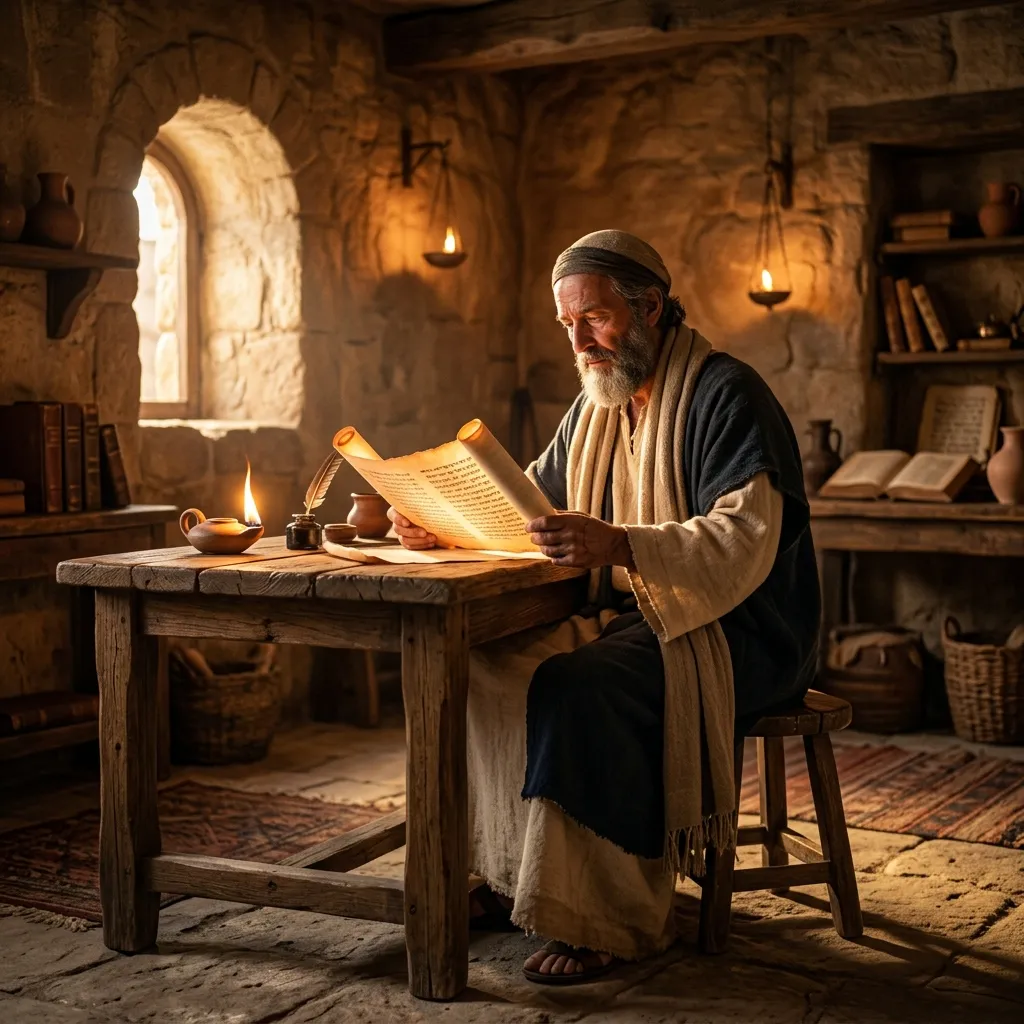
The Old Testament makes up over 75% of the Christian Bible. It is a breathtaking, sweeping tapestry of history, poetry, prophecy, and law that forms the very foundation of our faith. But let's be honest: it can also be incredibly intimidating. Without a solid understanding of the ancient Near Eastern context, many passages seem bizarre, overly harsh, or completely disconnected from modern life.
Many modern Christians find themselves quietly skipping straight to the Psalms or the New Testament Gospels. While the New Testament is beautiful and essential, skipping the first 39 books means missing out on the foundational texts that Jesus Himself read, quoted, and ultimately fulfilled. The Old Testament isn't just a prologue you can skim; it is the essential framework required for truly understanding the Gospel of Jesus Christ. If you want to learn more about studying deeply, you can read our guide on how to deepen your Bible study.
Why the Old Testament Matters Today
When we open the pages of Genesis, Exodus, or Isaiah, we are stepping into a world that is thousands of years old. The cultural norms, the geopolitical landscapes, and the literary styles are entirely foreign to a 21st-century reader in the West. This cultural gap is precisely why context is so vital. If we try to read ancient Hebrew poetry or ceremonial law through the lens of modern, individualistic society, we will inevitably misinterpret the text.
"A text out of context is just a pretext for a prooftext. We must let the Bible speak for itself, in its own language, to its original audience first."
Understanding the Old Testament is about learning to read it on its own terms. It requires patience and a willingness to learn about a world that is not our own. But the reward is immense: a profound, multi-layered understanding of God's character and His relentless pursuit of humanity.
A 3-Step Framework for the Old Testament
To truly appreciate and apply the Old Testament, you need a structured approach. Here is a simple, highly effective three-step framework to help you navigate even the most difficult passages:
1. Identify the Historical Context
Before you ask what a verse means to you today, you must ask what it meant to the original audience. The Bible was written *for* us, but it was not written *to* us. Ask yourself:
- Who wrote this? Was it Moses, David, a prophet, or a historian?
- When was it written? Was Israel wandering in the desert, established as a kingdom, or suffering in Babylonian exile?
- Who was the original audience? Were they newly freed slaves, complacent wealthy elites, or discouraged exiles?
For example, reading the book of Exodus makes much more sense when you understand the geopolitical power of ancient Egypt and the desperate, brutal reality of Israelite slavery. Reading the Minor Prophets becomes intensely relevant when you realize they were often speaking truth to corrupt political power. For an excellent overview of biblical literature, external resources can also provide great visual timelines.
2. Recognize the Literary Genre
The Bible is not a single book; it is a beautifully diverse library of 66 books spanning multiple genres. You cannot read apocalyptic literature (like Daniel or Ezekiel) the same way you read a historical narrative (like 1 Kings) or deeply emotional poetry (like the Psalms). Recognizing the genre prevents critical errors in interpretation.
If you read the Psalms as strict theological treatises rather than emotional poetry, you might become confused when David expresses deep anger or despair. If you read historical narrative as a moral endorsement of the characters' actions, you'll be horrified by the behavior of Israel's kings. Historical narrative often describes what happened, not necessarily what *should* have happened. Learning to identify genre is a crucial skill for any serious student of the Word.
3. Seek the Theological Purpose
Finally, after understanding the history and the genre, ask the ultimate question: What does this passage reveal about the character of God? The Old Testament is primarily a revelation of God's perfect holiness, His absolute justice, and His unfailing covenant faithfulness (His hesed) to a deeply flawed and rebellious people.

It points constantly forward to the inadequacy of human leadership and the desperate need for a perfect, eternal Savior. Whether you are reading about the sacrificial system in Leviticus or the failure of the monarchy in Chronicles, the theological purpose almost always points toward our need for redemption.
The Grand Narrative: Seeing the Big Picture
It is easy to get bogged down in the genealogies of Numbers or the architectural details of the Tabernacle in Exodus. When you feel lost in the details, zoom out to the Grand Narrative. The Bible tells one unified story that leads to Jesus. The Old Testament is the story of a promise made; the New Testament is the story of that promise kept.
The covenants—with Noah, Abraham, Moses, and David—are the architectural pillars of this grand narrative. They structure the relationship between God and humanity. When you read the Old Testament with these covenants in mind, the chaotic events of history suddenly snap into focus as part of a sovereign, redemptive plan.
Using Selah to Uncover the Context
You don't need a seminary degree or a massive library of commentaries to uncover this rich context; you just need the right guide. While reading in our app, you can easily pull up the Selah drawer and ask direct questions about the text.
"Selah, what is the historical background of the book of Leviticus, and how do the sacrificial laws point forward to the work of Christ?"
Selah will instantly synthesize centuries of trusted, orthodox biblical scholarship into a clear, easy-to-understand overview of the historical setting. It transforms a confusing list of ancient laws into a profound, beautiful revelation of God's holiness. And to build a stronger habit of reading, don't forget the power of consistency in your daily habits.
Frequently Asked Questions (FAQ)
 Is the God of the Old Testament different from the God of the New Testament?
No. This is an ancient misconception dating back to the early centuries of the church. God is perfectly consistent. We see His profound mercy and patience throughout the Old Testament (sparing Nineveh, continually forgiving Israel), just as we see His absolute justice and wrath against sin in the New Testament (Revelation). Jesus Himself repeatedly affirmed the Old Testament Scriptures as the authoritative Word of God.
Do Christians still need to follow Old Testament ceremonial laws?
Christians are no longer under the Old Covenant ceremonial and civil laws (such as dietary restrictions or animal sacrifices) because Christ perfectly fulfilled them on our behalf. However, the moral law (such as the Ten Commandments) remains a reflection of God's unchanging character and still guides Christian living today.
Where is the best place to start reading the Old Testament?
Genesis is the natural starting point, as it sets the stage for the entire biblical worldview. After Genesis, reading Exodus gives you the foundational story of Israel's redemption. If you prefer poetry, reading one Psalm a day is an excellent way to familiarize yourself with the emotional and worshipful language of ancient Israel.