Back to Blog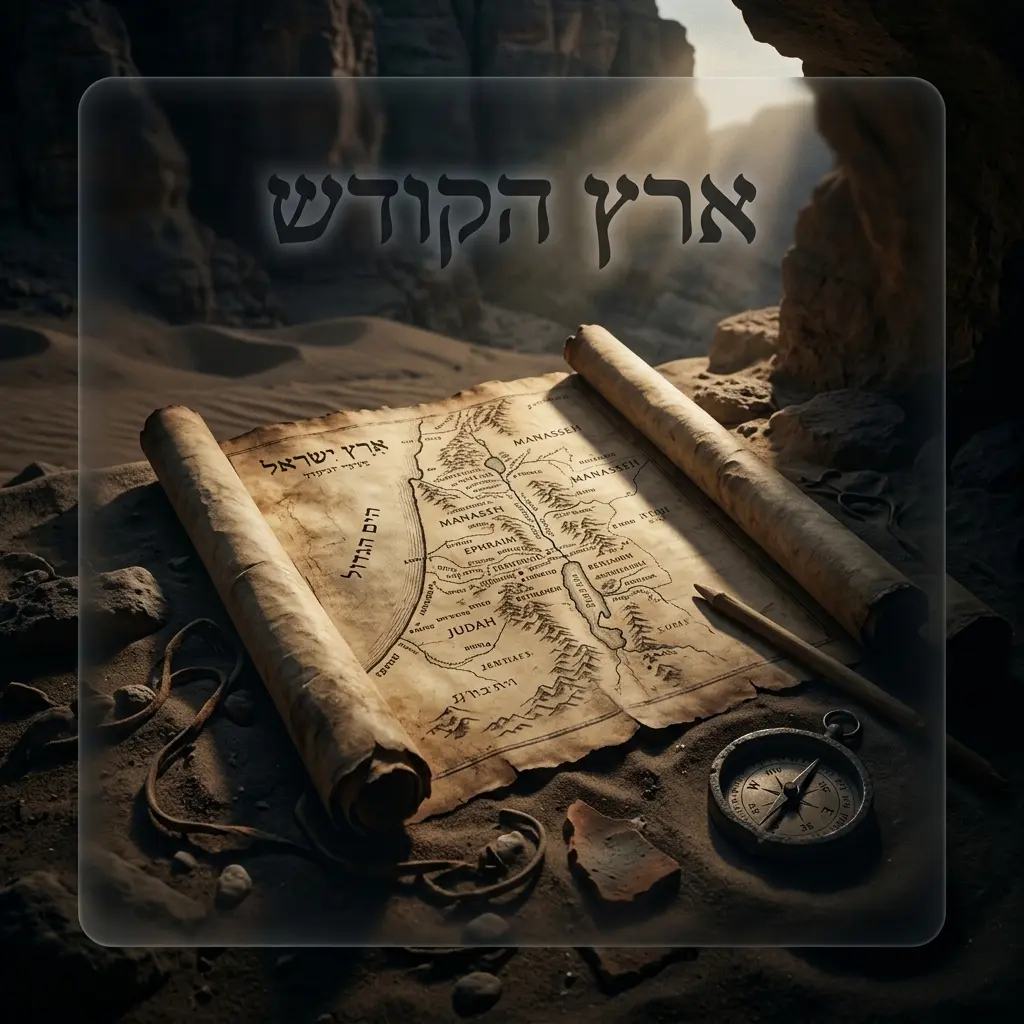
The Geography of the Gospels: Following Jesus' Footsteps
 By Bible App Team
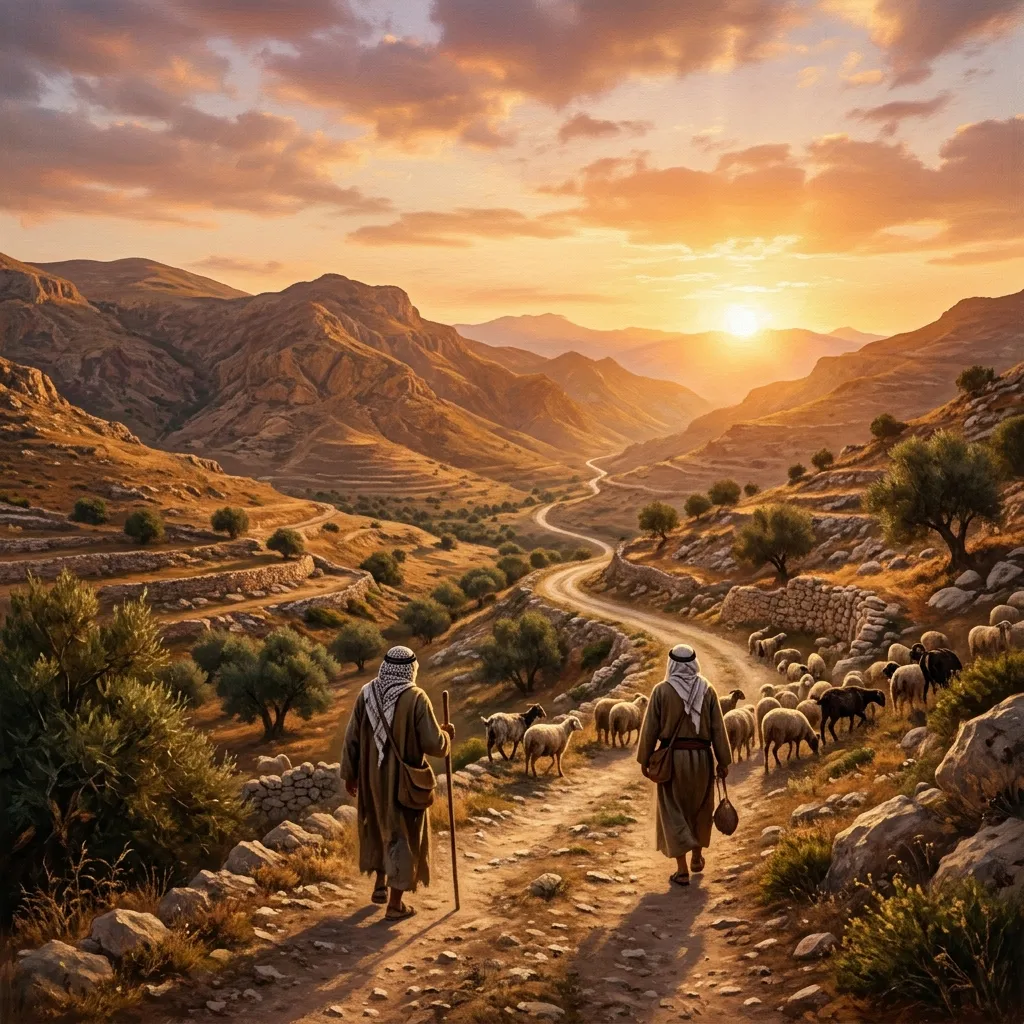
When we read the Gospels, it is incredibly easy to treat the locations mentioned—Galilee, Jerusalem, Samaria, the Mount of Olives—as nothing more than background scenery. We focus so intensely on the dialogue and the miracles that we forget that the physical landscape of ancient Israel was a character in the story itself. The geography of the Bible is never accidental. The lakes, mountains, deserts, and valleys heavily dictated Jesus' teaching style, His travel routes, and the very metaphors He used to explain the Kingdom of God.
To truly understand the life of Jesus, we must take off our modern, Western lenses and step into the dusty sandals of a first-century rabbi. When we understand the topography of the Holy Land, stories that once seemed disconnected suddenly weave together into a brilliant, intentional tapestry. Let's explore why geography is the hidden key to unlocking the Gospels.
The Two Worlds: Galilee and Judea
The ministry of Jesus is primarily divided between two drastically different regions: Galilee in the north and Judea (home to Jerusalem) in the south. The contrast between these two areas could not be starker, and this contrast forms the central tension of the Gospels.
Galilee was lush, agricultural, and heavily influenced by surrounding Gentile nations. It was the 'blue-collar' region of Israel, filled with fishermen, farmers, and tradesmen. Because of the fertile land around the Sea of Galilee, the people were generally prosperous but politically marginalized by the religious elites in the south. It makes perfect sense that Jesus—a carpenter—spent the vast majority of His ministry here. In Galilee, He spoke their language. His parables were filled with seeds, wheat, fishing nets, and vineyards because that was the everyday reality of a Galilean.
In contrast, Judea was arid, mountainous, and dominated by the massive, awe-inspiring Temple in Jerusalem. This was the seat of religious and political power. The people of Judea often viewed Galileans as uneducated and spiritually compromised (remember Nathanael's infamous question: 'Can anything good come from Nazareth?'). When Jesus travels south to Jerusalem, His teaching style shifts. He speaks less about farming and more about temple authority, taxes, and theological debates with the Pharisees and Sadducees.
"The geography of Israel is the 'Fifth Gospel.' Without it, the other four are difficult to fully understand."
The Sea of Galilee: A Classroom on the Water
The Sea of Galilee is not actually a sea; it is a large freshwater lake. However, its geographical positioning makes it incredibly unique and dangerous. The lake sits nearly 700 feet below sea level, surrounded by steep hills and mountains. When cool air from the Mediterranean Sea rushes over the mountains and collides with the warm, trapped air over the lake, it creates violent, sudden storms that can appear out of nowhere.
When we read the story of Jesus calming the storm (Mark 4), we often wonder why experienced fishermen were terrified of a little wind. But knowing the geography changes everything. These storms were notorious and deadly. The disciples' fear was entirely justified. By standing up and commanding the wind and the waves to be still, Jesus was not just doing a neat trick; He was exercising a level of authority over chaos that the ancient Jewish mind believed belonged exclusively to Yahweh.
The Samaria Problem
Look at a map of first-century Israel. If you want to travel from Galilee in the north to Jerusalem in the south, the fastest, most direct route goes straight through the region of Samaria. Yet, devout Jews would often cross the Jordan River, walk completely out of their way down the eastern bank, and cross back over near Jericho just to avoid setting foot in Samaria.
Why? Because centuries earlier, when the northern kingdom of Israel was conquered by Assyria, the remaining Israelites intermarried with foreigners. Their descendants became the Samaritans. They built their own temple on Mount Gerizim and accepted only the first five books of the Bible. To the Jews of Judea, Samaritans were worse than Gentiles; they were religious half-breeds and heretics.
This makes John 4 absolutely explosive. The text says Jesus 'had to go through Samaria.' Geographically, He didn't. Theologically, He did. By intentionally walking into hostile territory, sitting at Jacob's well, and asking a Samaritan woman for a drink, Jesus was aggressively dismantling centuries of deep-seated ethnic and religious hatred. He was proving that the 'Living Water' was not confined to the Temple in Jerusalem.
The Ascent to Jerusalem

Throughout the Gospels, you will often read phrases like 'Jesus went up to Jerusalem' or 'A man was going down from Jerusalem to Jericho.' This is not a metaphor. Jerusalem sits on a high ridge, roughly 2,500 feet above sea level. No matter where you are coming from, you literally have to walk 'up' a steep, grueling incline to get there.
The road from Jericho to Jerusalem, the setting of the Parable of the Good Samaritan, is a treacherous, winding path that drops 3,300 feet in just 17 miles. It is surrounded by caves and ravines—the perfect hiding spots for bandits. When Jesus tells the story of the man attacked by robbers, His audience could picture the exact, terrifying road He was talking about.
Furthermore, the physical ascent to Jerusalem mirrors the spiritual ascent of the believer. The Psalms of Ascent (Psalms 120-134) were sung by pilgrims as they literally climbed the hills toward the Temple, preparing their hearts for worship. When Jesus makes His final journey 'up to Jerusalem' in Luke 9:51, He knows exactly what awaits Him at the top of the mountain: the cross.
How Geography Enhances Your Bible Study
When we ignore the map, we flatten the text. When we engage with the geography, the Bible transforms from a book of abstract spiritual ideas into a rugged, historical reality. Here are a few ways to incorporate geography into your study:
- Use a Study Bible Map: Don't skip the maps in the back of your Bible. When a city is mentioned, look it up. Ask yourself: Is it in the mountains? Is it near the water? Is it in Gentile territory?
- Calculate the Distance: When Jesus walks from Capernaum to Tyre, check the mileage. Realizing He walked 40 miles over rough terrain helps you appreciate the physical exhaustion of His ministry.
- Understand the Weather: Research the climate. The difference between the dry season and the rainy season often plays a crucial role in biblical narratives, such as Elijah's confrontation with the prophets of Baal.
Frequently Asked Questions (FAQ)
 Why did Jesus spend so much time in Galilee rather than Jerusalem?
Galilee was geographically removed from the intense political and religious scrutiny of Jerusalem. By remaining in the north, Jesus was able to teach the massive crowds and perform miracles without immediately triggering His arrest by the religious authorities, allowing Him to fulfill His ministry on His own timeline.
Where did Jesus deliver the Sermon on the Mount?
While the exact location is debated, it is traditionally believed to be the Mount of Beatitudes, a hill overlooking the northwestern shore of the Sea of Galilee. The natural acoustics of the sloping hillside would have acted like an amphitheater, allowing thousands of people to hear Him speak.
Why are there deserts mentioned so frequently?
The wilderness (or desert) in the Bible is a place of testing, isolation, and divine encounter. Just as the Israelites wandered in the wilderness for 40 years to learn dependence on God, Jesus went into the Judean wilderness for 40 days to face temptation and rely entirely on the Father before beginning His public ministry.