Back to Blog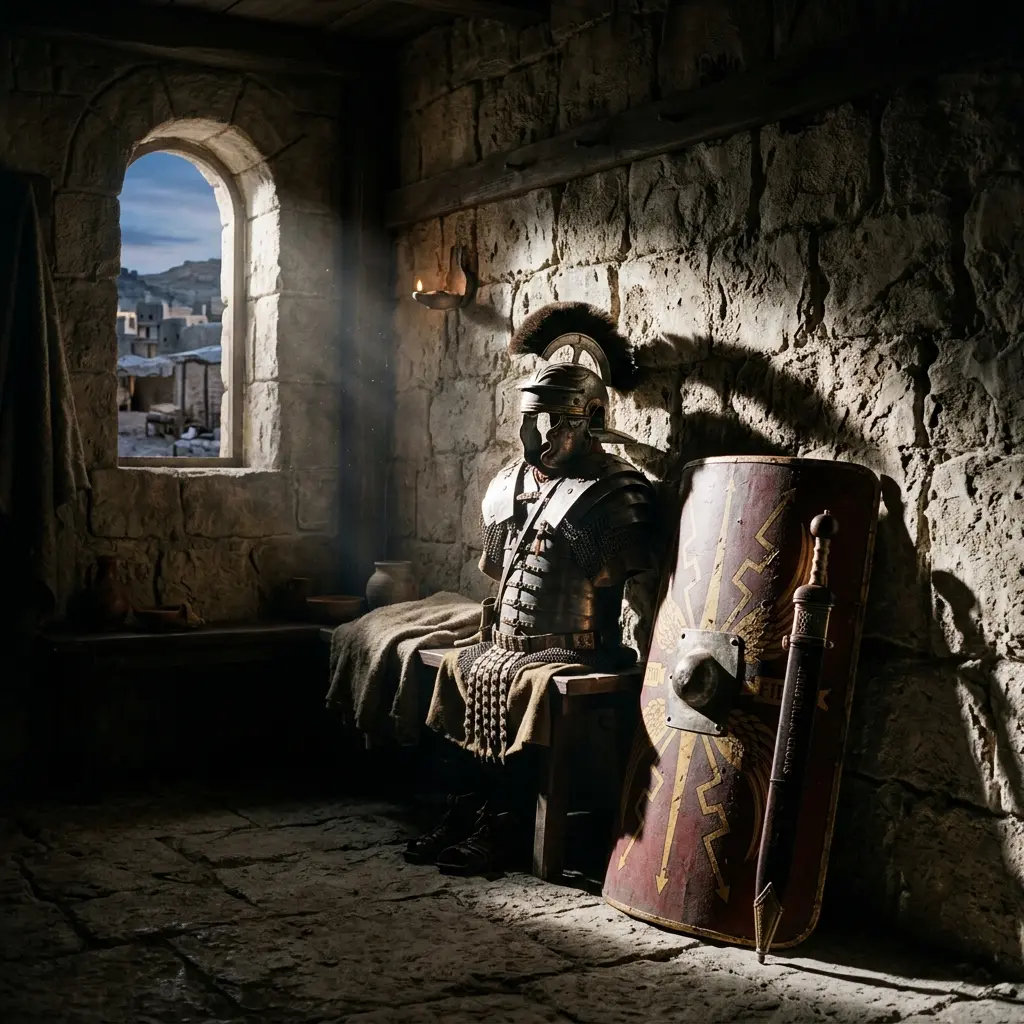
The Armor of God Explained: Practical Spiritual Defense
 By Selah Study Team
Life is full of visible challenges—relational conflicts, financial pressures, health crises, and emotional distress. Yet, the Bible reveals that behind the physical world lies an unseen spiritual reality. Writing from a Roman prison, the Apostle Paul unveiled a profound truth to the early church in Ephesus: believers are constantly engaged in a spiritual battle. However, God has not left His people defenseless. In Ephesians 6, Paul introduces the timeless metaphor of the "Armor of God," a comprehensive spiritual uniform designed to equip believers to withstand the schemes of the enemy.
Understanding the Armor of God is not about becoming preoccupied with demonic forces; rather, it is about awakening to the reality of the spiritual realm and discovering the victory that has already been won through Jesus Christ. Putting on this armor is an exercise in faith, grounding believers in their identity and outfitting them for daily resilience. By examining each piece of the armor, we can move beyond theological theory and discover practical, daily applications for our spiritual defense.
"Put on the full armor of God, so that you can take your stand against the devil’s schemes. For our struggle is not against flesh and blood, but against the rulers, against the authorities, against the powers of this dark world and against the spiritual forces of evil in the heavenly realms. — Ephesians 6:11-12"
The Reality of Spiritual Warfare
To understand the necessity of spiritual armor, we must first recognize the reality of the battle. Paul emphasizes that our primary fight is "not against flesh and blood." It is incredibly easy to view difficult people, oppressive systems, or personal failures as the ultimate enemy. When we face betrayal, frustration, or systemic injustice, our natural inclination is to direct our anger and energy at the human agents involved. However, Paul reorients our perspective. He points out that the true adversaries are spiritual forces of evil that seek to steal, kill, and destroy.
By recognizing this, we are freed from the burden of fighting people. Instead, we can fight for people while fighting against the invisible forces of darkness that influence them. Spiritual warfare is not a mythical concept reserved for Hollywood movies; it is the daily reality of resisting temptation, fighting off discouragement, maintaining hope in the face of despair, and holding onto truth when deception surrounds us. God provides the armor, but we are responsible for recognizing the battlefield and intentionally putting the armor on.
The Historical Context: The Roman Soldier
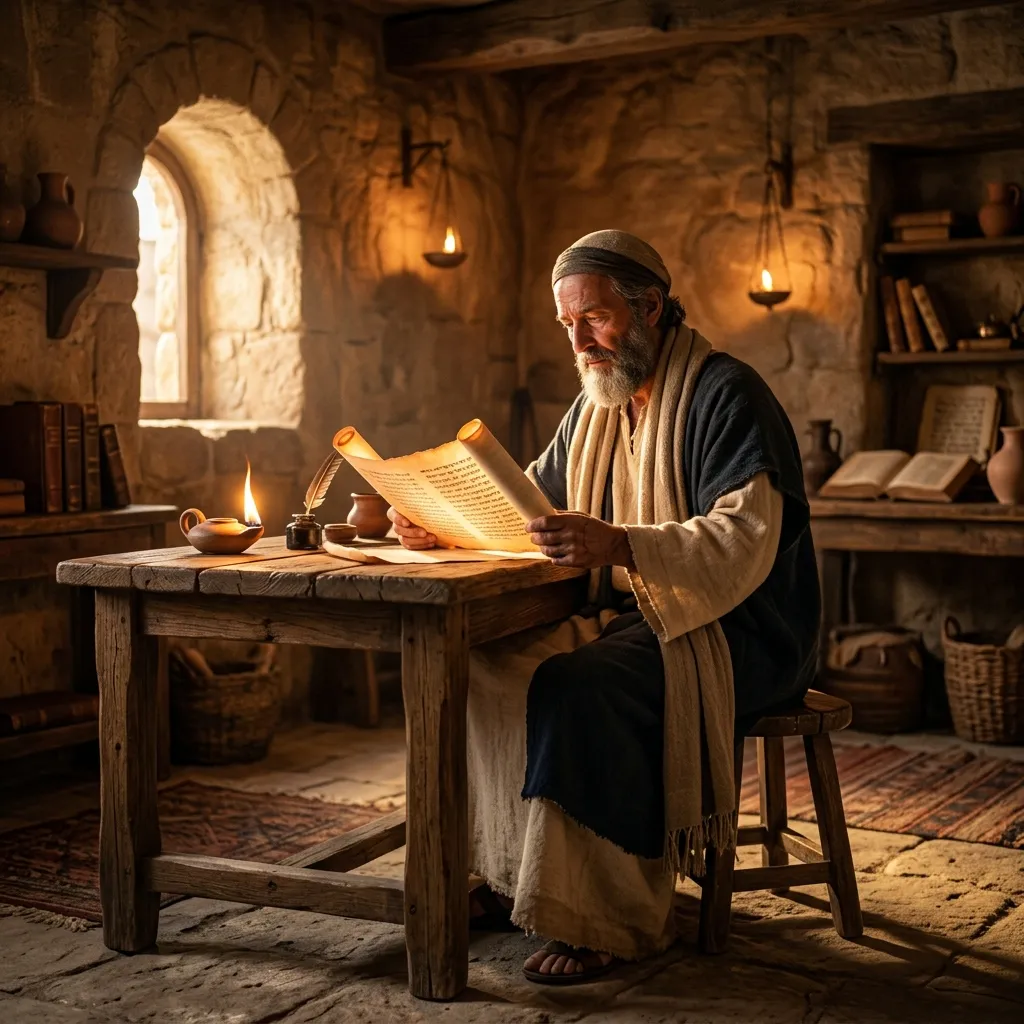
When Paul wrote his letter to the Ephesians, he was under house arrest, likely chained directly to a Roman soldier. Day in and day out, Paul observed the intricate details of the soldier’s military gear. The Roman military was the most formidable fighting force in the ancient world, and their success was largely due to their discipline, tactics, and superior weaponry. Paul used this ubiquitous, powerful imagery to illustrate profound spiritual truths.
Every piece of the Roman soldier’s armor had a specific, life-saving function. From the heavy belt that held everything together to the sturdy sandals designed for long marches over treacherous terrain, nothing was superfluous. Paul saw in these physical items a perfect parallel to the spiritual resources God provides for believers. As we break down the six specific pieces of armor mentioned in Ephesians 6, it is vital to remember this historical backdrop. The armor was heavy, requiring strength to bear, and it was designed for men who stood in formation, fighting alongside their brothers in arms, not as solitary warriors.
Breaking Down the 6 Pieces of the Armor of God
1. The Belt of Truth
"Stand firm then, with the belt of truth buckled around your waist..." (Ephesians 6:14). In the Roman uniform, the balteus or belt was the central piece of the armor. It was a sturdy leather strap that held the soldier’s tunic in place, ensuring he wouldn’t trip over his own garments in the heat of battle. More importantly, it carried the weight of the sword and provided a place for the breastplate to rest. Without the belt, the rest of the armor was practically useless.
Spiritually, the Belt of Truth represents both the objective truth of God’s Word and the subjective truth of a believer’s integrity. In a world characterized by relativism, shifting cultural norms, and "my truth," biblical truth is the foundation that holds a Christian's life together. If we build our lives on lies, half-truths, or hypocritical behavior, we become entangled in our own deception and are easily defeated. Putting on the Belt of Truth means choosing to align our thoughts, actions, and beliefs with God's ultimate reality, allowing His truth to govern our everyday decisions.
2. The Breastplate of Righteousness
"...with the breastplate of righteousness in place..." (Ephesians 6:14). The Roman breastplate (lorica segmentata) covered the soldier's torso, protecting his heart, lungs, and other vital organs from arrows and sword thrusts. A wound to the chest was almost always fatal. The breastplate was essential for survival in close-quarters combat.
In spiritual warfare, the enemy frequently targets the "heart"—the seat of our emotions, affections, and identity. He attacks with accusations, guilt, and shame, trying to convince us that we are unworthy of God's love. The Breastplate of Righteousness does not refer to our own moral perfection, which is flawed and fragile. Instead, it represents the imputed righteousness of Christ. When we place our faith in Jesus, His perfect righteousness covers us. When the enemy shoots accusations at us, they shatter against the solid iron of what Christ has done on our behalf. Practically, wearing this breastplate means walking in uprightness and continually reminding ourselves of our secure standing before God.
3. The Shoes of the Gospel of Peace
"...and with your feet fitted with the readiness that comes from the gospel of peace." (Ephesians 6:15). A Roman soldier’s footwear (caligae) was a marvel of ancient engineering. These thick-soled sandals were studded with iron hobnails on the bottom, functioning much like modern-day athletic cleats. They provided unparalleled traction, allowing a soldier to hold his ground firmly against an advancing enemy without slipping.
In the spiritual realm, peace provides our traction. The world's peace is situational, dependent on tranquil circumstances. The Gospel of Peace, however, is a deep, anchoring reality that we have been reconciled to God. When life becomes chaotic, stressful, and terrifying, the peace of God prevents us from slipping into anxiety and despair. Furthermore, these shoes indicate "readiness" or "preparation." We are called not only to stand firm in peace but to carry that peace into a fractured world, actively advancing the Kingdom of God by sharing the good news wherever our feet take us.
4. The Shield of Faith
"In addition to all this, take up the shield of faith, with which you can extinguish all the flaming arrows of the evil one." (Ephesians 6:16). Paul is referring here to the scutum, a massive, door-like shield made of thick wood covered in leather and canvas. Before a battle, soldiers would soak their shields in water so that when the enemy launched arrows tipped in pitch and set ablaze, the wet leather would instantly extinguish the flames.
The "flaming arrows" of the enemy are sudden, unexpected attacks. They come in the form of intrusive thoughts of doubt, overwhelming waves of fear, temptations that strike out of nowhere, or sudden discord in relationships. The Shield of Faith is our primary defense. Faith is not a blind leap in the dark; it is absolute confidence in the character, promises, and power of God. When an arrow of doubt strikes, we raise the shield by declaring what we know to be true about God. Because Roman soldiers interlocked their shields to form an impenetrable wall (the testudo or tortoise formation), the Shield of Faith also reminds us that spiritual warfare is a communal endeavor.

5. The Helmet of Salvation
"Take the helmet of salvation..." (Ephesians 6:17). The Roman helmet (galea) was typically made of bronze or iron and featured heavy cheek plates. It was designed to deflect devastating blows to the head, which, like the chest, housed vital life functions. In ancient warfare, a soldier without a helmet was extremely vulnerable to the crushing swing of a broadsword.
The mind is the primary battlefield of spiritual warfare. The enemy constantly attacks our thoughts with lies regarding our worth, our future, and our identity. The Helmet of Salvation protects our minds by securing our thoughts in the reality of our eternal salvation. It encompasses past salvation (we are saved from the penalty of sin), present salvation (we are being saved from the power of sin), and future salvation (we will be saved from the presence of sin). When our minds are guarded by the hope and assurance of salvation, we are protected from the mental exhaustion, depression, and hopelessness that the enemy seeks to inflict.
6. The Sword of the Spirit
"...and the sword of the Spirit, which is the word of God." (Ephesians 6:17). Up until this point, all the pieces of armor have been purely defensive. The Sword of the Spirit is the sole offensive weapon in the believer's arsenal. The Greek word Paul uses here is machaira, referring to the short, double-edged sword designed for precise, close-quarters combat rather than a broad, sweeping claymore.
The "word of God" here translates the Greek word rhema, which means a specific, spoken utterance rather than the entirety of the Bible (logos). This means that the Sword of the Spirit is the specific, targeted application of Scripture to a particular situation or temptation. Jesus perfectly modeled this in the wilderness. When tempted by Satan, Jesus did not just give a general theological treatise; He quoted specific scriptures tailored to each temptation ("It is written..."). To effectively wield this sword, we must be intimately familiar with the Bible, memorizing and meditating on it, so the Holy Spirit can bring the exact right verse to our minds precisely when we need it.
The Vital Engine: Praying in the Spirit
After listing the armor, Paul immediately adds: "And pray in the Spirit on all occasions with all kinds of prayers and requests" (Ephesians 6:18). If the Armor of God is the uniform of the soldier, prayer is the vital communication line to the Commander-in-Chief. An army cut off from its command center is an army destined for defeat. Prayer is not a seventh piece of armor; rather, it is the atmosphere in which the entire armor is worn and utilized.
Praying in the Spirit means praying in alignment with God’s will, under the influence and power of the Holy Spirit. It involves constant, ongoing communion with God throughout the day. It encompasses prayers of intercession, petition, worship, and spiritual warfare. Without prayer, our attempts to use the armor become mere fleshly efforts at self-improvement. It is through prayer that the heavy, iron pieces of our spiritual armor are energized by the supernatural power of God, enabling us to stand victorious.
Practical Ways to "Put On" the Armor Daily
- Start with Scripture: Wield the Sword of the Spirit by reading the Bible daily. Meditate on specific verses that address your current struggles, whether anxiety, anger, or temptation.
- Embrace Honest Evaluation: Secure the Belt of Truth by living with integrity. Regularly confess your sins to God and trusted believers, refusing to live in hypocrisy or harbor secret sins.
- Preach the Gospel to Yourself: Wear the Breastplate of Righteousness by reminding yourself daily that your standing with God is based on Christ’s performance, not your own perfection. Let this deflect the enemy's shame.
- Cultivate a Posture of Peace: Lace up the Shoes of Peace by resolving conflicts swiftly and refusing to hold onto bitterness. Seek to be a peacemaker in your home, workplace, and community.
- Engage in Community: Lift the Shield of Faith by participating in a local church. When your faith is weak, rely on the strong faith of the believers standing in formation beside you.
- Guard Your Mental Intake: Protect your mind with the Helmet of Salvation by being mindful of the media, music, and conversations you consume. Fill your mind with things that are true, noble, and praiseworthy.
Frequently Asked Questions About the Armor of God
 What does it mean to wrestle against principalities and powers?
In Ephesians 6:12, the terms "principalities," "powers," and "rulers of the darkness" refer to a hierarchy of demonic forces operating under Satan's command. This indicates that the spiritual realm is organized and intentional in its opposition to God's Kingdom. It reminds us that behind systemic corruption, cultural decay, and intense personal temptation are spiritual forces. We are not fighting physical humans; we are resisting intelligent, malevolent spiritual entities through the power and authority of Jesus Christ.
Do I need to pray each piece of the armor on every day?
While it is not a magical incantation or a strict biblical requirement to verbally "pray on" each piece of armor daily, many Christians find it to be an incredibly helpful spiritual discipline. Mentally and prayerfully walking through the Belt of Truth, the Breastplate of Righteousness, and the rest of the gear is an excellent way to renew your mind each morning. It actively aligns your perspective with God's truth and prepares your heart for the inevitable challenges of the day.
Why is there no armor for the back?
It is often noted that the Armor of God provides extensive protection for the front of the body but none for the back. Historically, Roman soldiers were expected to face their enemy; turning and fleeing in battle left a soldier completely vulnerable. Spiritually, this implies that Christians are called to stand firm and face their spiritual opposition, not retreat in fear. Additionally, the Roman testudo formation relied on the soldier behind you to protect your back, highlighting the crucial need for Christian community.
Conclusion: Standing Firm in Victory
The Armor of God is one of the most vivid and powerful metaphors in all of Scripture. It serves as a daily reminder that the Christian life is not a playground, but a battleground. However, it is a battleground where the decisive victory has already been secured. When Jesus Christ died on the cross and rose from the grave, He disarmed the spiritual rulers and authorities, triumphing over them (Colossians 2:15).
Therefore, putting on the armor of God is not about fighting for victory, but fighting from a position of victory. As we secure the belt of truth, put on the breastplate of righteousness, walk in the peace of the gospel, raise the shield of faith, wear the helmet of salvation, and wield the sword of the Spirit through constant prayer, we become immovable. We can face the darkest days, the fiercest temptations, and the heaviest trials with unshakeable confidence, knowing that fully equipped in God's armor, we will remain standing.